Key points
- Wild Guanabana wrote a dedicated Trail Network Narratives report for the AlUla Adventure Trail Network.
- The narratives cover the people of AlUla, its ancient kingdoms, the Nabataeans and Hegra, the trade routes, the Hijaz Railway, Khaybar, Tayma, and the region’s geology, water and wildlife.
- The research combined primary and secondary sources and relied heavily on local community expertise and RCU specialists.
- We met more than 25 RCU teams and stakeholders in the first five months of the project.
The landscapes of AlUla have been walked by people for thousands of years. They have a spirit because of that connection, and the people who carry those stories today are what make a trail more than a route. That is why, for the AlUla Adventure Trail Network, Wild Guanabana did not stop at scouting and auditing. We also wrote the stories each trail can tell.
The people first
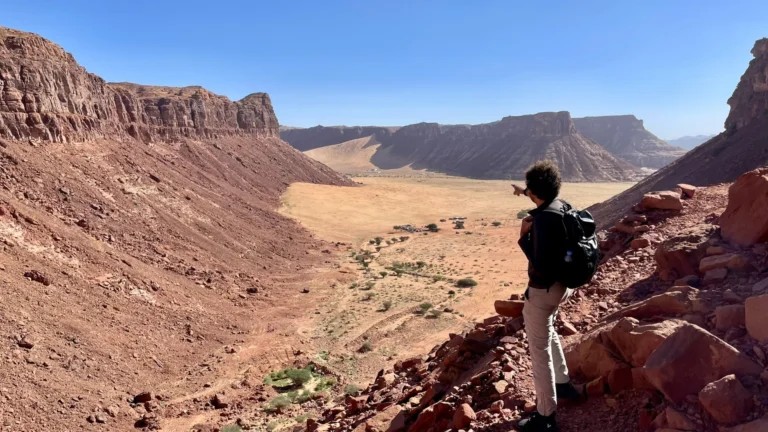
Our narratives begin with the people of AlUla: a community with deep Bedouin roots, known for resilience and hospitality, and increasingly involved in agriculture, hospitality and tourism. The tribes of the region, among them the Banu Harb, the Banu Sulaym and the Banu Daws, are not spectators of AlUla’s transformation. They are the custodians of its past and guides to its future. Some of the most remarkable country we scouted carries their names, like the valleys of the AlGharoty tribe in the uplands.
Listening matters as much as writing. During the first months of field work we also met apprehension among some residents about what new projects would mean for their land. Our recommendation was clear: trails must be designed for local benefit, and local communities need real opportunities to support and run them.
A walk back in time
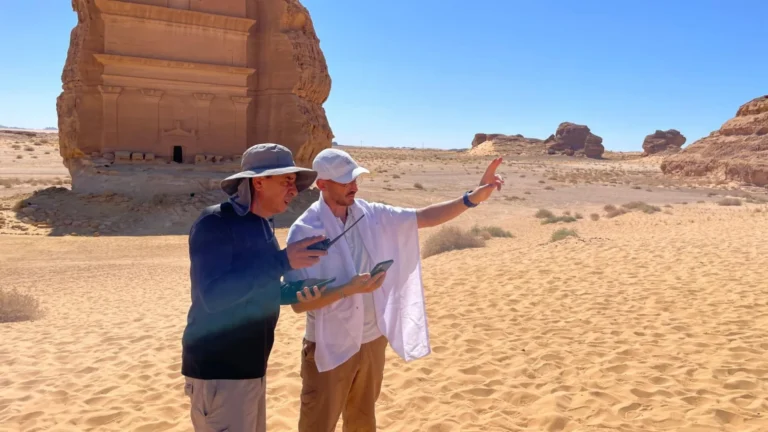
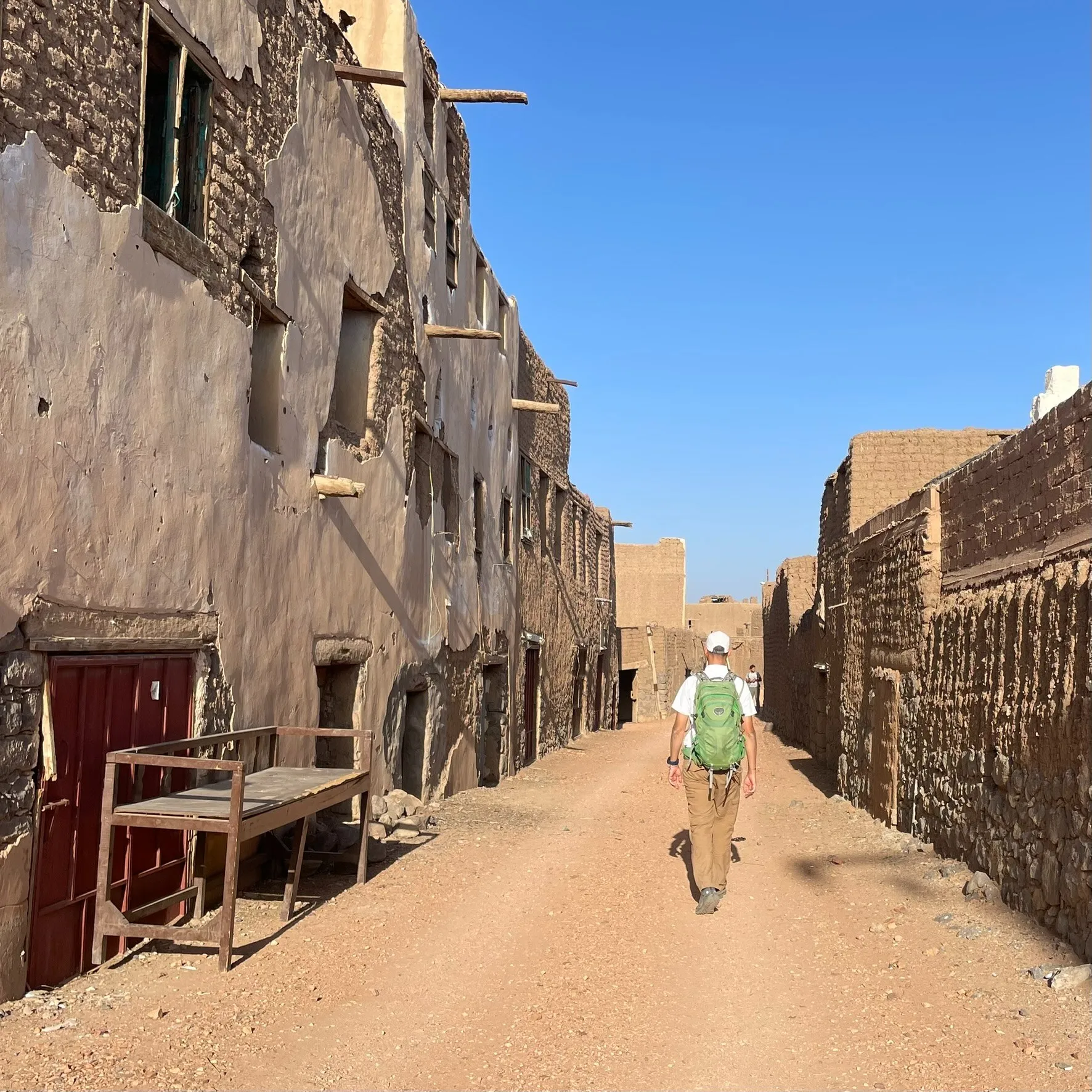
AlUla sits at a crossroads that has shaped Arabia for millennia. The Kingdom of Dadan flourished here in the first millennium BCE, followed by the Lihyanites. The Nabataeans, famous for Petra, carved Hegra into the sandstone: more than 100 monumental tombs and Saudi Arabia’s first UNESCO World Heritage Site, inscribed in 2008. Caravans on the Incense Route rested in the oasis, trading frankincense, myrrh and spices between Arabia, the Levant, Egypt and the Mediterranean. Much later, in the early 20th century, the Hijaz Railway crossed the valley to carry pilgrims towards Madinah.
These layers are visible on the trails. On the Ath Thumayyid Forts Trail, walkers pass ancient rock inscriptions and can walk out to a fort used in the early 20th century to protect the AlUla railway station.
The land tells its own story
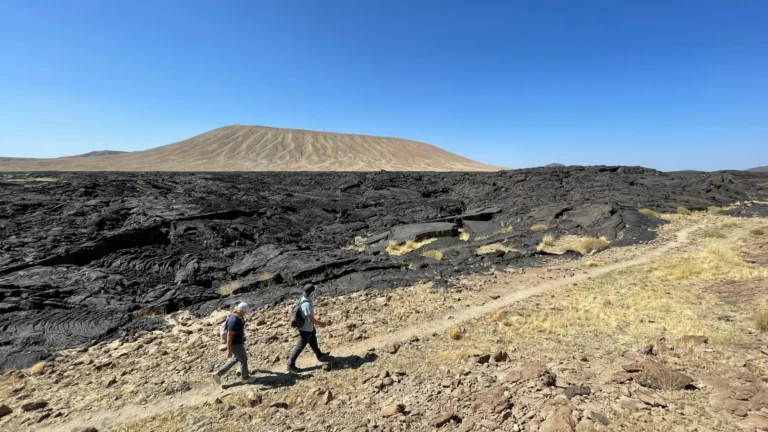
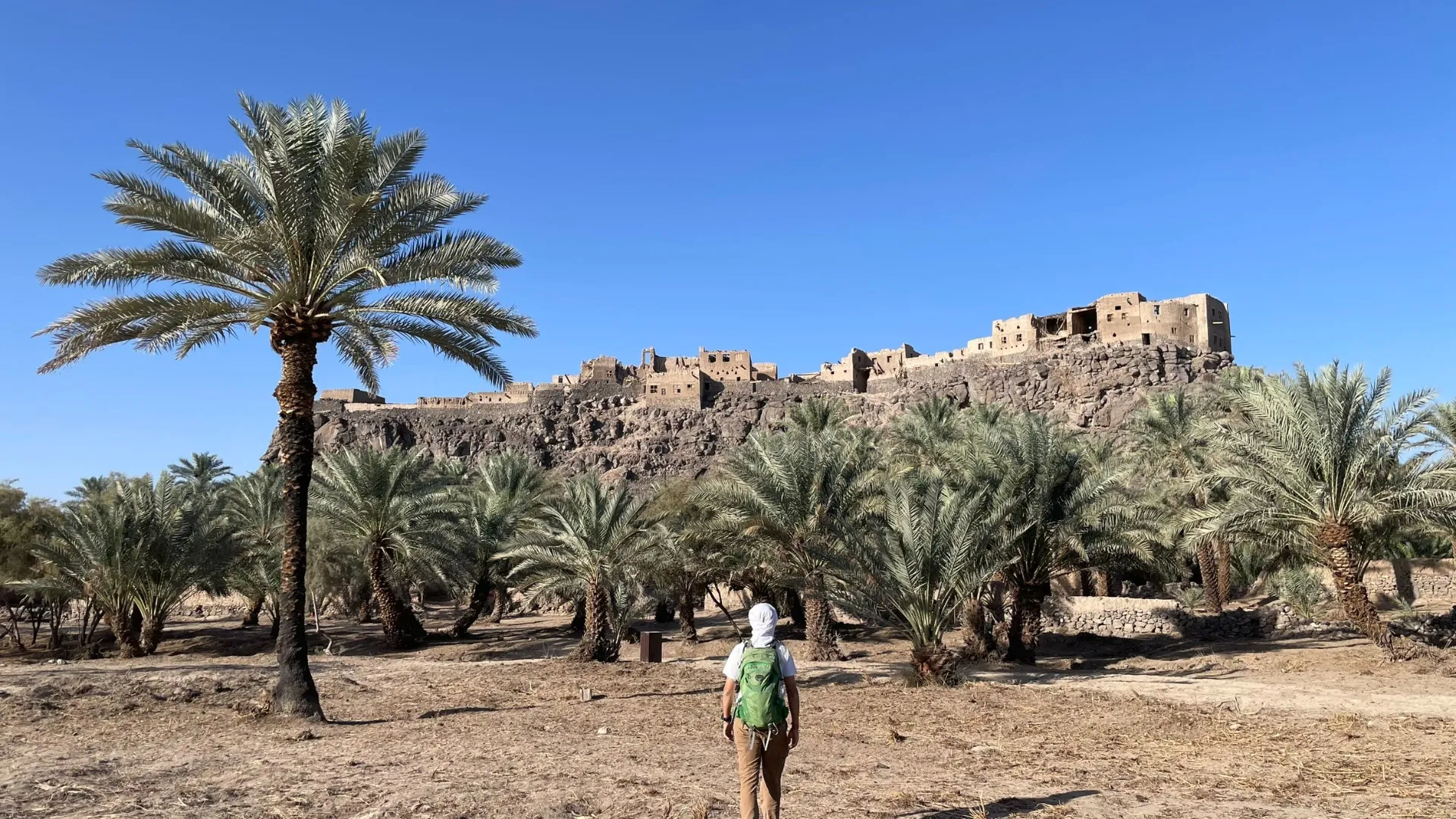
The narratives also explain the landscape itself: the geology that sculpted the sandstone towers and the volcanic harrats; the water that decided where people could live, from the Nabataean cisterns of Hegra and Jabal Ithlib to the springs of the oases; and the plants and animals visitors meet along the way. In Khaybar, the volcanic plains, palm groves and old fortified villages add yet another chapter.
From research to the trail
Each trail in the network is built around a prevailing theme: geology, heritage, culture or adventure, in line with AlUla’s brand pillars. The stories feed the visitor materials: short narratives, points of interest and storylines in each trail package, and the public booklets Hike AlUla, Bike AlUla and Ride AlUla. A story arc runs across individual trails, clusters and the network as a whole, so the more you walk, the more you understand.
Want trails that tell the real story of your destination? Start a project →