Key points
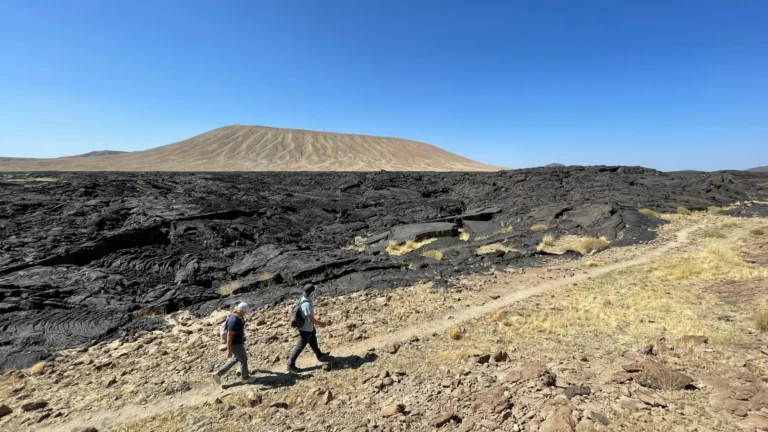
- Wild Guanabana makes every effort to identify old trails and bring them back to life; in AlUla, some are thousands of years old.
- The AlUla network brings together existing trails, newly scouted trails and historic routes.
- Hiking trails are designed on footpaths and kept off roads wherever possible.
- Our leads have built networks on ancient paths before, such as Crete’s Chania Trails, on footpaths dating back to 3000 BC.
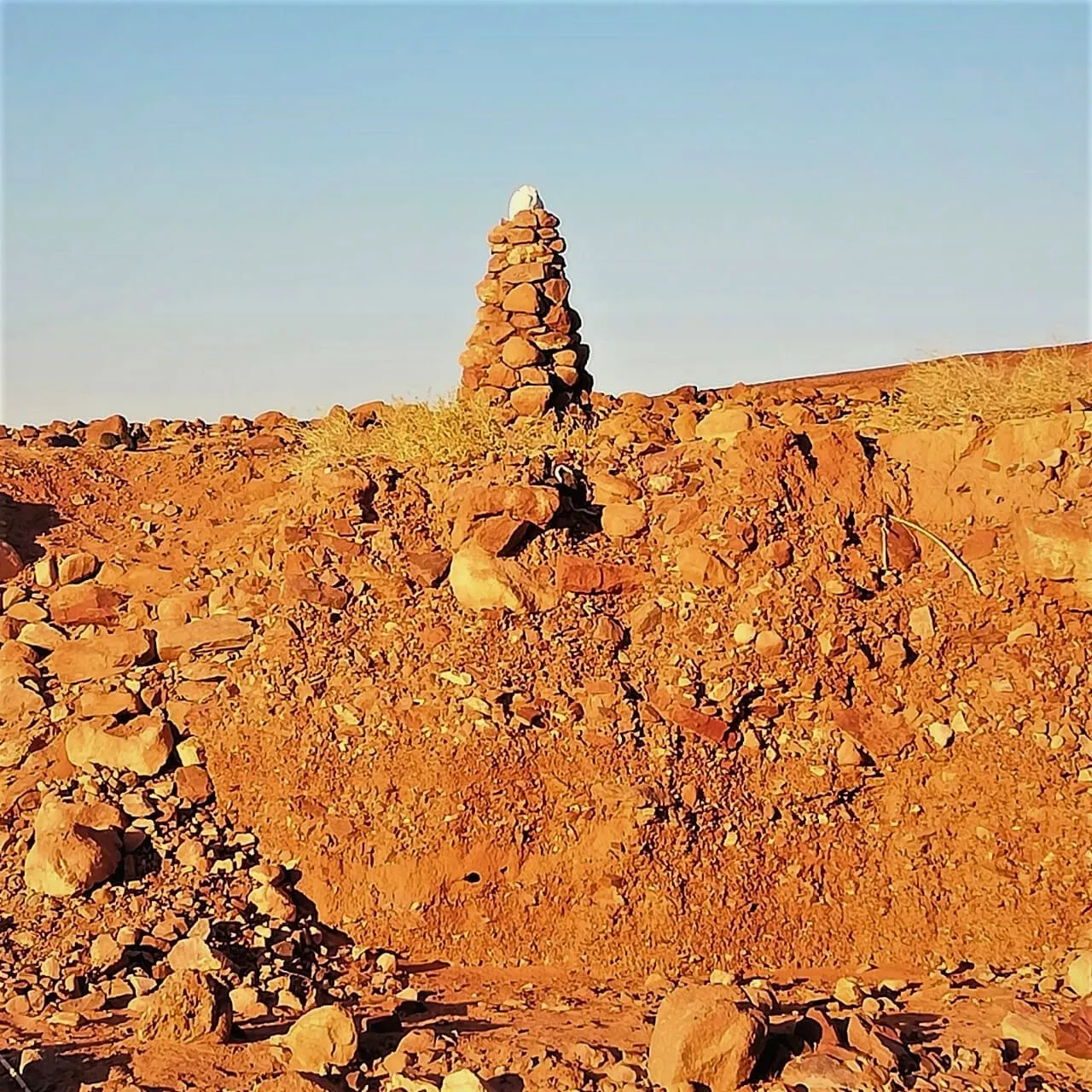
Long before anyone planned a trail network, people walked these landscapes. Herders moved between grazing grounds, villagers walked between oases, caravans crossed the desert and pilgrims followed their routes south. Many of those paths are still there: a line of worn stones, a cairn on a ridge, a stretch of retaining wall where a path once climbed a slope. Finding them is one of the most rewarding parts of our work.
Why ancient paths make better trails
Old footpaths were made by people who knew the land intimately. They follow the easiest gradients, avoid the worst floods, find shade and water, and connect places that mattered. Building on them means fewer new scars on the landscape, fewer interventions to make a trail safe, and a trail that already carries a story. Visitors are not just hiking; they are walking in the footsteps of the people who shaped the place.
How we find them
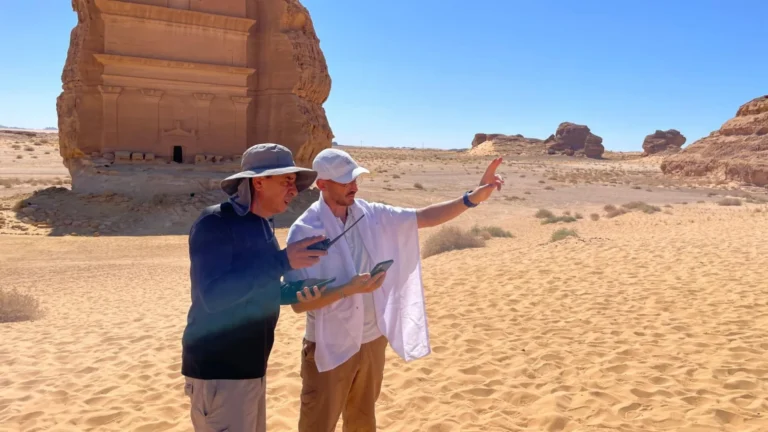
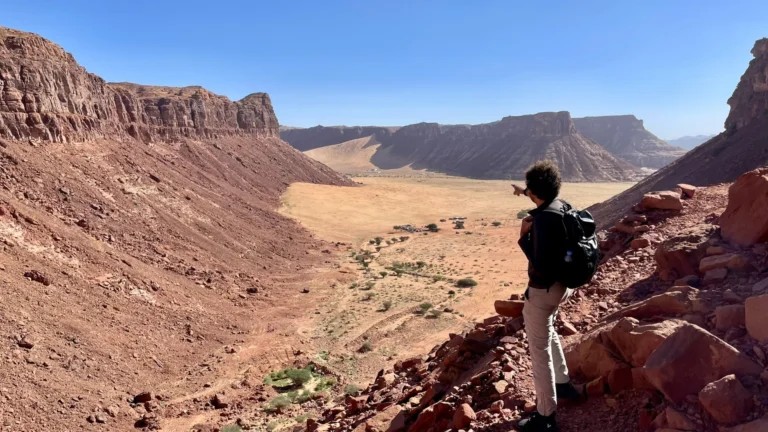
The search starts at the desk and ends on foot. We study historic maps and records, satellite imagery and research on historic travel and pilgrimage routes, and we ask the people who know: residents, elders, guides and heritage specialists. Then our scouts go out and walk the possibilities, looking for the physical evidence of an old route and testing whether it can become a safe, enjoyable trail today.
In AlUla, our audit made every effort to identify old trails to be brought back to life, and some of them are thousands of years old. The network brings together existing trails, newly scouted trails and historic routes. Our trail selection criteria give hiking priority on old paths, keep hiking trails on footpaths rather than roads, and favour trails with a clear historical or cultural theme.
A method our team has practised for years
This is not new for us. Before joining Wild Guanabana, Fivos Tsaravopoulos and his company Paths of Greece restored forgotten footpaths across more than 25 Greek destinations. The Chania Trails in western Crete, about 700 km and 70 themed routes, are built on ancient footpaths dating back to 3000 BC, and within a few years the network extended the local tourism season by four months. The Jordan Trail, which Bashir Daoud led for six years, connects people and places along ancient paths in a contemporary way.
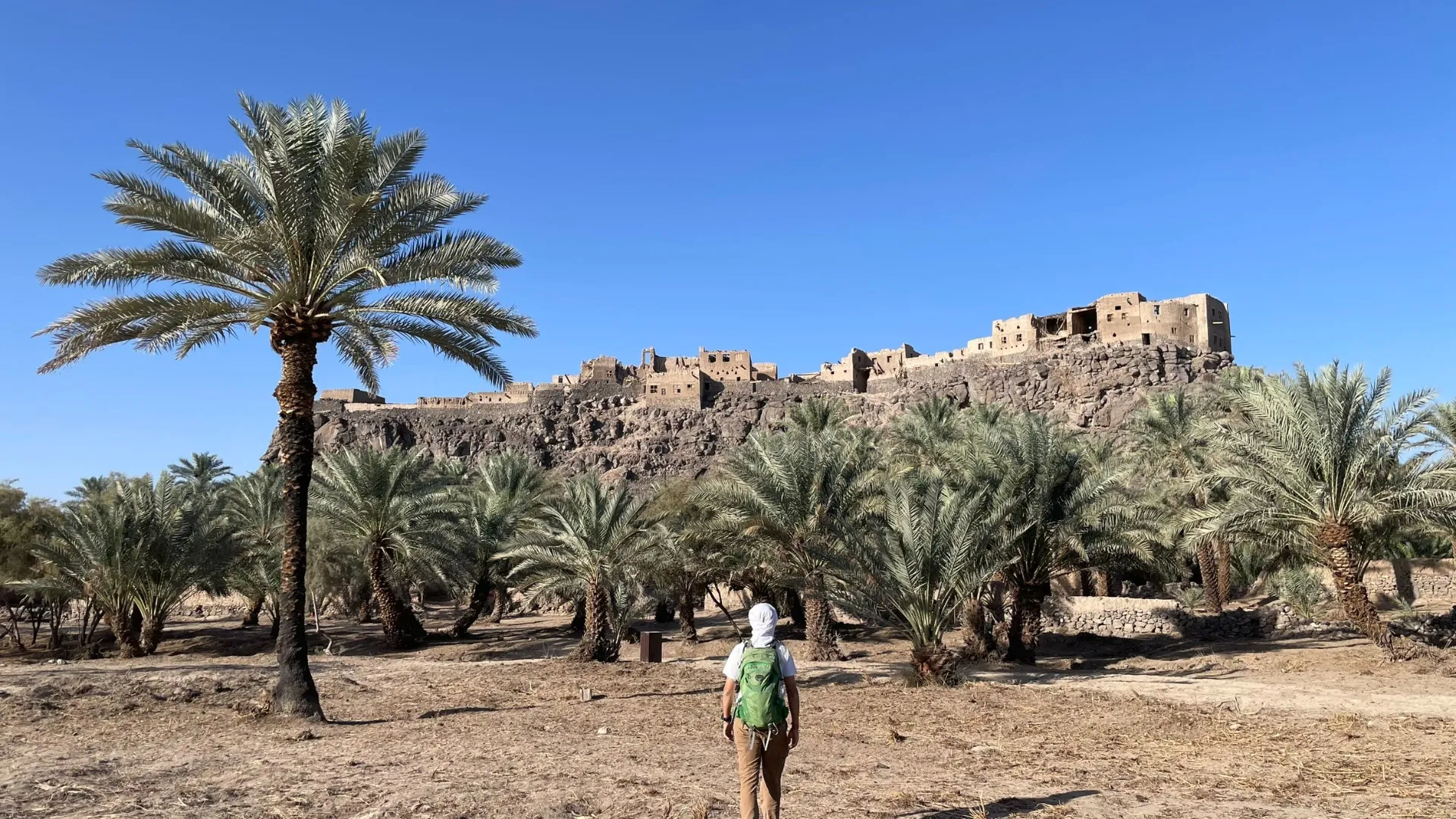
Bringing a path back to life
Restoring an old path is careful work: clearing it without erasing its character, rebuilding steps and walls in dry stone where they have collapsed, and marking it lightly so that the landscape, not the signage, stays the focus. Done well, the result feels as if the trail had always been there, because it has.
Do you know of old paths worth bringing back? Tell us about them. Start a project →