Key points
- In AlUla, Wild Guanabana’s first field season ran from January to May 2024, followed by a summer of GIS processing and reporting.
- We reviewed more than 60 masterplans, codes, guidelines and studies, and met more than 25 RCU teams and stakeholders.
- The inception study included field research, trail selection criteria, a scouting risk assessment, consumer insights, benchmarking, signage guidelines and map concepts.
- Trails are selected against 13 criteria, from theme and access to safety, difficulty, accessibility and shared use.
People sometimes ask why a trail study takes so long. The honest answer is that a trail network is a long-term investment in a landscape, its communities and its visitors. Getting it right means spending a great deal of time in two places: on the ground, and at the desk.
Months on site
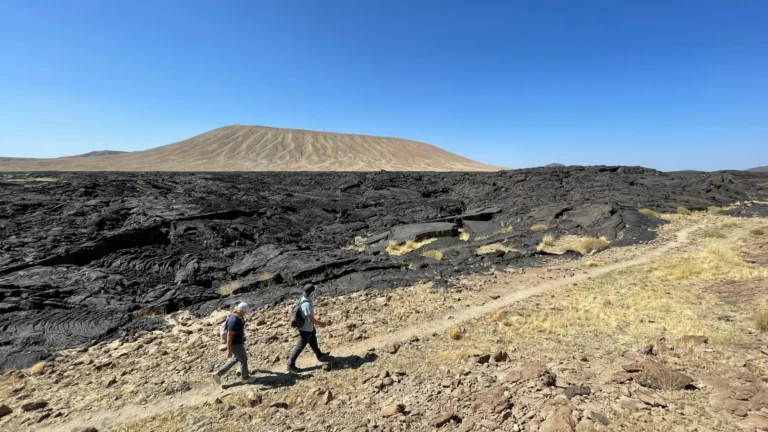
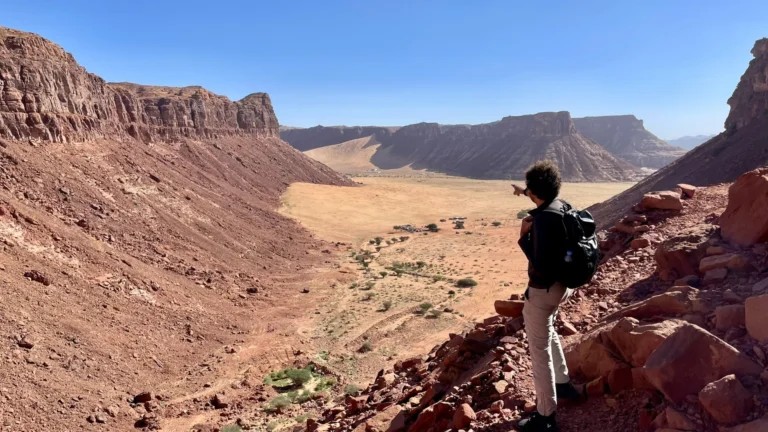
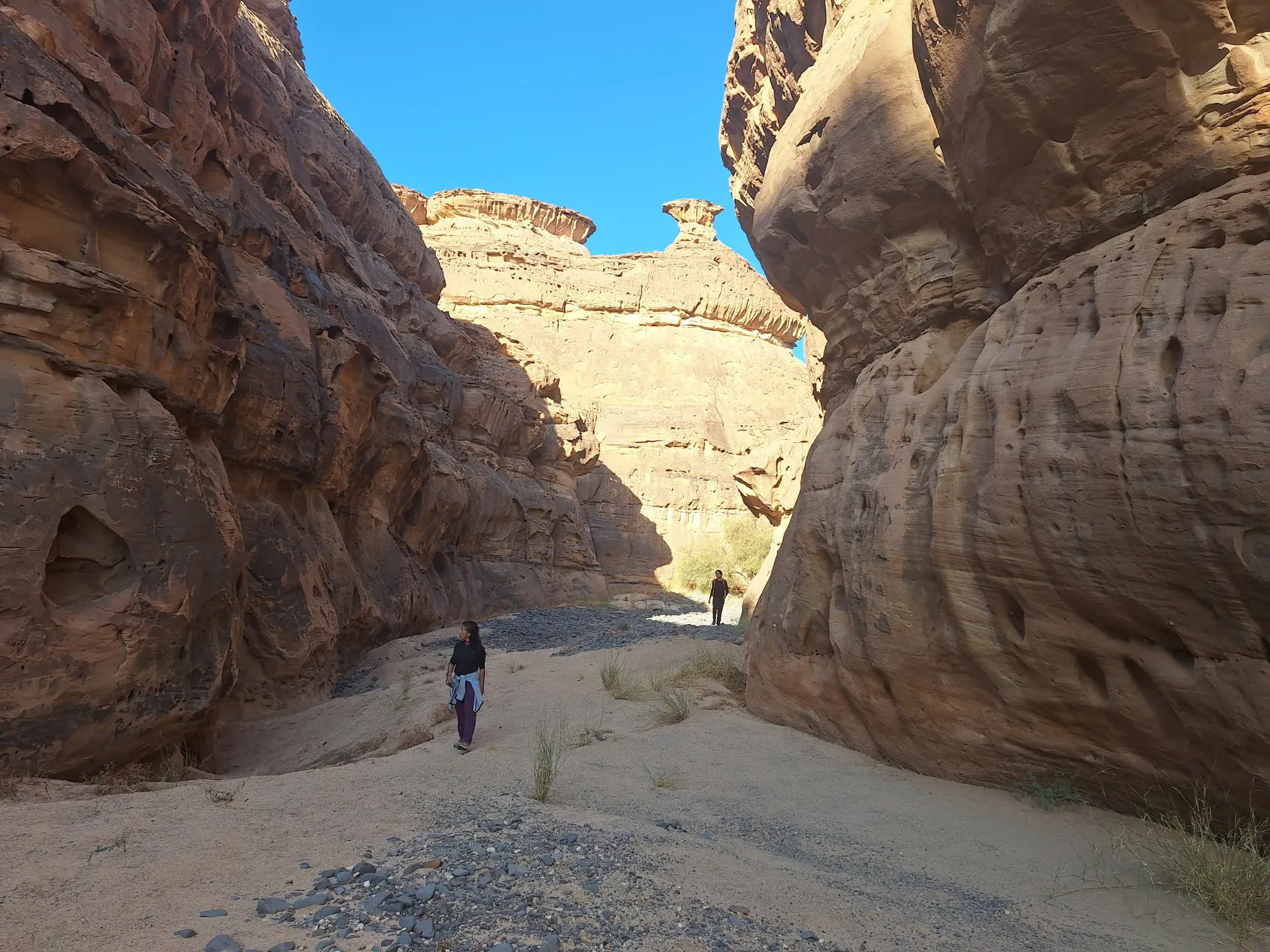
For the AlUla Adventure Trail Network, our first field season ran from January to May 2024. In those months the team walked, cycled and rode more than 1,300 km of potential trails across AlUla and Khaybar. Summer brought a different rhythm: from July to September, with temperatures too high for safe field work, the team cleaned and organised the data, prepared the GIS materials and maps, delivered the first ten hiking trails for activation and refined the signage guidelines. The next season returned to the field to audit, to scout Khaybar and to explore second-priority activities such as via ferrata, climbing, canyoning and trail running.
Months at the desk
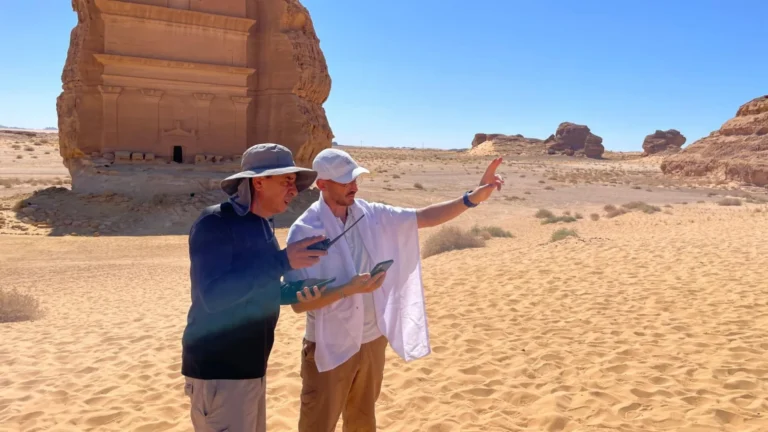
Desk work started on day one and never stopped. We reviewed more than 60 documents: masterplans and zoning, the AlUla framework plan, codes and guidelines on signage, lighting, camping and rock-fall hazards, environmental and social impact guidelines, flora surveys, the geology of AlUla, historic travel and pilgrimage routes, and global traveller segmentation. In the first five months we met more than 25 RCU teams and stakeholders, from heritage and site operations to public safety, GIS, equestrian sports and destination marketing.
Listening to the market
A trail must be built for the people who will walk it. Our consumer insights research looked at adventure travel trends and at the visitors AlUla wants to attract, from first-time recreational hikers to enthusiasts and experienced adventurers. Our benchmarking studied leading trails around the world, including the Jordan Trail, the Lebanon Mountain Trail, the Larapinta Trail and the Three Capes Track in Australia, through research and interviews with trail leaders.
Turning it all into decisions
All of this feeds a clear set of trail selection criteria. Every trail is assessed against 13 criteria, from geographical coverage, theme, shape and terrain to feasibility, access, land planning, user safety, difficulty, uniqueness, length, accessibility and shared use. The result is a network that fits the land, the plans, the communities and the market, and a set of reports, audits and maps that the client can act on.
Thinking about a trail study for your destination? Start a project →